
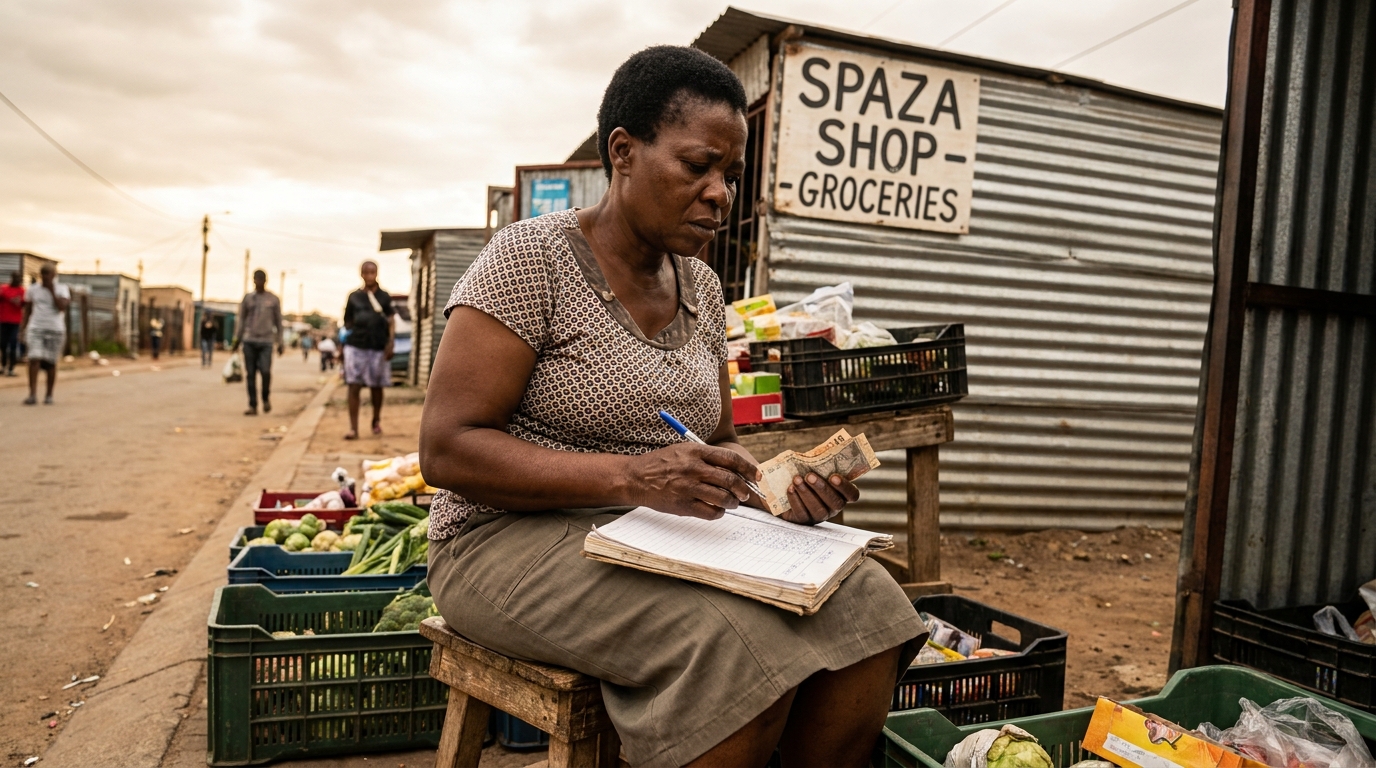
Many South Africans turn to mashonisas when formal banks turn them down. It feels like the only option. But what does informal borrowing actually cost you — and is there a better way?
What Is a Mashonisa?
A mashonisa is an informal money lender, usually found in townships and informal settlements. They offer quick cash with no paperwork — but at an enormous cost.
Typical mashonisa interest rates range from 30% to 50% per month. On a R1,000 loan, you could owe R1,300 to R1,500 after just one month. Many people end up paying back double or triple what they borrowed.
The Real Maths
Let's compare a R2,000 loan over 2 months:
Mashonisa at 40% per month: You owe R2,800 after 1 month. After 2 months with rollovers, this can reach R3,920 or more — nearly double your original loan.
Fido at 5% per month: On R2,000 over 2 months you pay approximately R2,200–R2,400 total including initiation and service fees. Every rand is disclosed before you accept.
Why People Still Use Mashonisas
Convenience. Mashonisas live in the neighbourhood. They don't ask for paperwork. They lend to people banks refuse.
But convenience comes at a price that can trap families for months or years.
What Makes Fido Different
Fido is a registered credit provider (NCRCP18066). Before you accept any loan, you see the exact total repayment — principal, interest, initiation fee, service fee, everything. If the number doesn't work for your budget, you don't have to accept it.
No collateral. No guarantor. No payslip required. Just a SA ID and a smartphone.
Lending money without an NCR registration is illegal. Mashonisas operating without registration violate the National Credit Act.
Under the NCA, unsecured lenders can charge a maximum of 5% per month. Mashonisas often charge far more than this.
Fido performs an affordability assessment as required by the NCA. The focus is on your ability to repay, not just a credit score number.
Late payments affect your credit record. Fido will contact you — there is no intimidation or illegal collection.
Stop paying mashonisa rates. See what Fido can offer you in minutes — download the app.